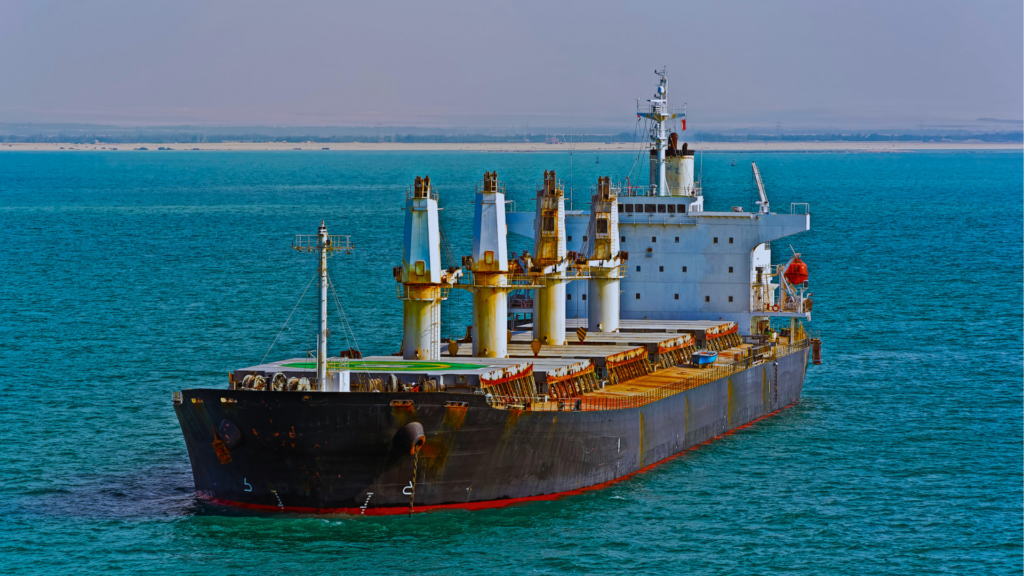
The compliance perimeter has expanded — and smaller fleets feel it first. From 1 January 2025, EU MRV requirements expand to additional ship types and sizes, including general cargo ships of 400–5,000 GT and offshore ships of 400 GT and above.
For operators of smaller vessels, this changes the economics of compliance: the same credibility expectations apply but the resourcing model is completely different and spreadsheet-led workflows scale poorly.
Industry Patterns Businesses are Becoming Aware Of
Across the industry, 2024 preparation cycles showed a consistent pattern:
- compliance work grows faster than headcount
- manual processes create delays and rework
- data is often held in different systems (or different email inboxes)
- audit pressure increases, especially when submissions are late or inconsistent
Spreadsheets fail not because they’re bad tools — but because they become a single point of operational risk: the version control breaks quickly, logic becomes person-dependent, data lineage is hard to prove, and every update becomes a fragile manual chain
And when you’re dealing with regulated reporting, fragility becomes cost.
For smaller vessels, the typical blockers to “easy compliance” are data captured in different places (noon reports vs fuel vs port events), inconsistent fuel naming, units, and allocations, poor traceability (can we show how we got this number?) and last-minute cleaning (which forces last-minute approvals).
Small-vessel compliance tools must be simple to run with a low administrative burden, consistent by design and not dependent on one expert user, audit-friendly with traceable and standardized outputs and fast, so compliance doesn’t compete with daily operations.
How Kaleris’ Bluetracker Supports This
A strong starting point in the Bluetracker software is the ability to generate credible KPIs and reporting outputs without rebuilding the process every month.
Bluetracker supports fleet emissions oversight and provides:
- quick visibility on emissions and trends
- automated monthly EEOI and AER reporting
- compliance context including MARPOL-aligned digital records
And if the operator also needs forward planning, Bluetracker adds the ability to predict and simulate scenarios using AI/ML, so users can test corrective actions and future pathways rather than reacting year-end.
The takeaway
For smaller ships, compliance comes from repeatable processes, consistent data, and lightweight automation that keeps teams focused on operations.