
Home » YMS-RAIL-TMS
Drive measurable operational gains through unified, real-time data across your entire intermodal supply chain.
Most intermodal operations rely on separate systems to track containers on the rail and manage activity once they reach the yard. Because these systems aren’t connected, visibility often breaks down during the handoff between terminal exit and yard entry. Kaleris connects what’s happening on the rail with what’s happening in the yard, creating a continuous, real-time view of container movement. This reduces manual handoffs, improves data accuracy, and helps teams make faster, more informed decisions.
Many operations rely on integrations to bridge rail and yard systems, which can introduce delays and inconsistencies. Kaleris keeps data and events aligned across both, reducing re-keying and keeping operations in sync.
Rail and yard capabilities are developed within the same platform, so coordination doesn’t depend on external connectors. This creates a more stable, reliable flow of data from arrival through departure.
Kaleris connects rail and yard data into a single, synchronized flow—often referred to as port-to-door orchestration. This provides continuous visibility from terminal to gate, without manual handoffs or blind spots.
Dwell time is calculated using synchronized rail and yard events, aligning terminal check-out with gate activity. This creates a consistent, accurate record of container movement across systems.
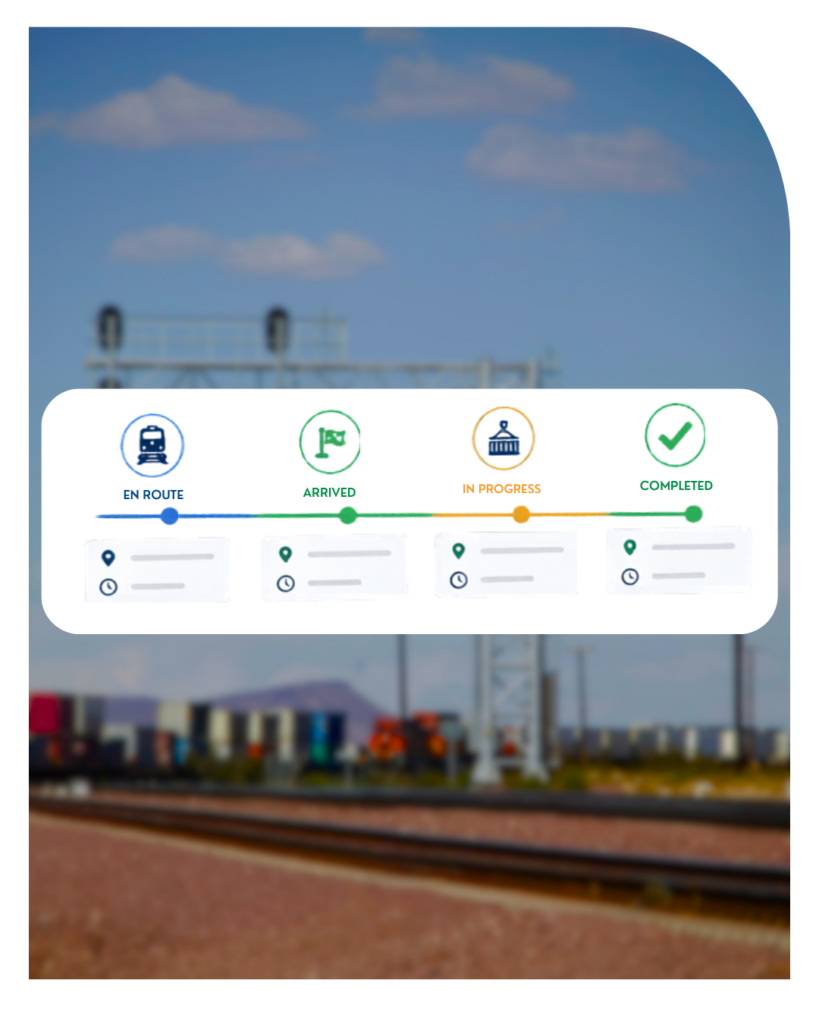
Every movement, arrival, check-in, handling, and departure, is captured as part of a single, continuous timeline. This ensures that both rail and yard teams are working from the same set of events, with no gaps between systems.
Container details, waybill information, and terminal check-out data are sent ahead of arrival—so yard systems are already prepared before a truck reaches the gate.
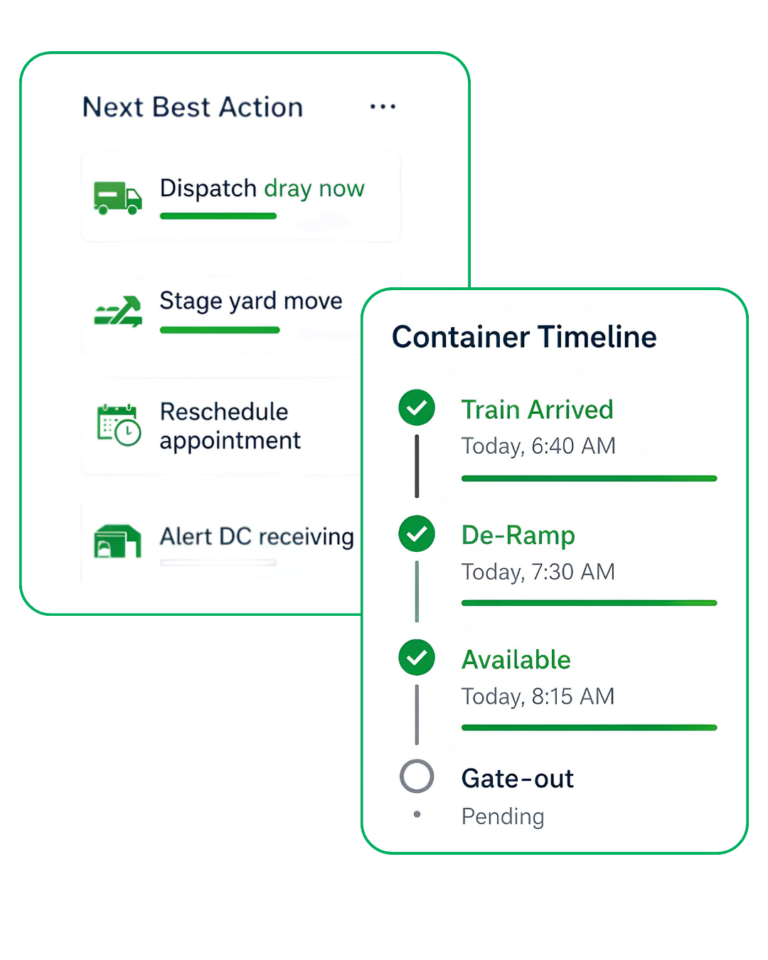
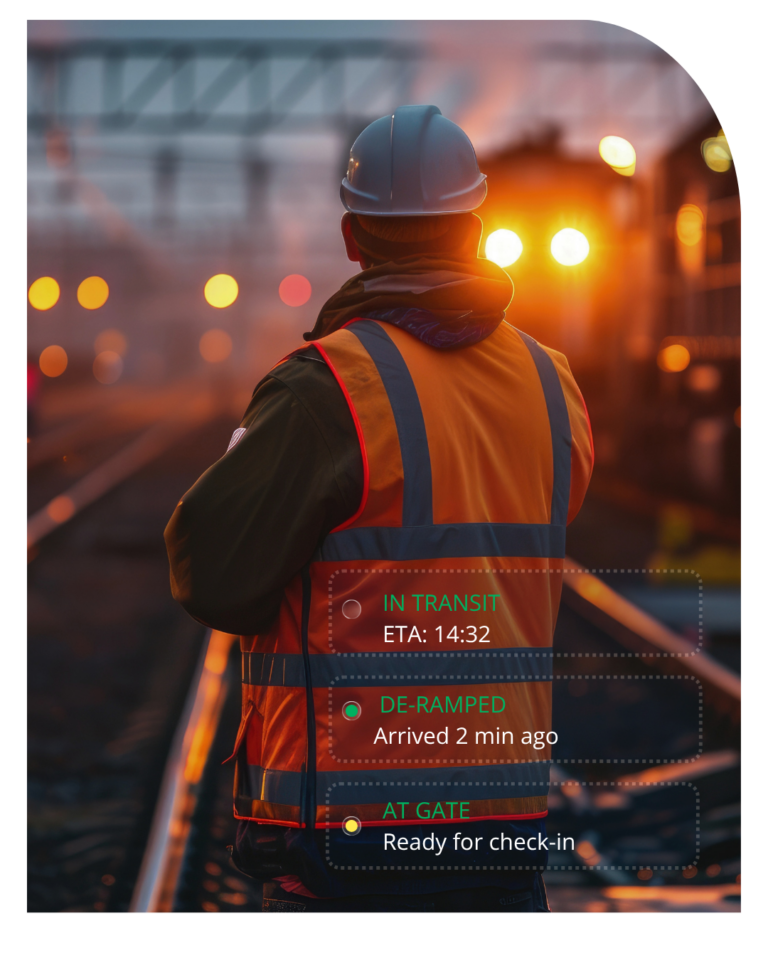
As containers de-ramp and move through the terminal, status updates are reflected in the yard view without delay.
Pre-populated data enables faster gate processing, while ensuring consistency across systems.
When a container leaves the yard, that event is automatically reflected back into rail tracking—ensuring accurate lifecycle and cost calculations.
Container and waybill data is pre-populated in YMS before arrival, allowing gate staff to simply verify instead of enter data—reducing check-in time and improving throughput.
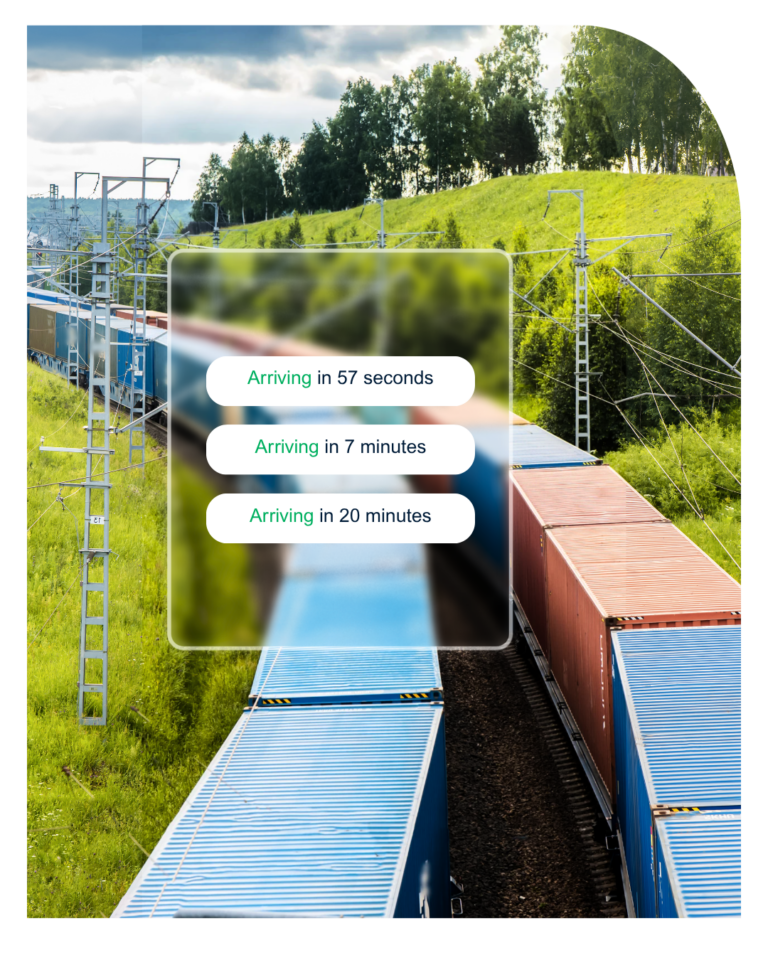
TMS streams live rail and ramp activity into YMS, giving teams instant visibility into arrivals, de-ramps, and container movement as it happens.
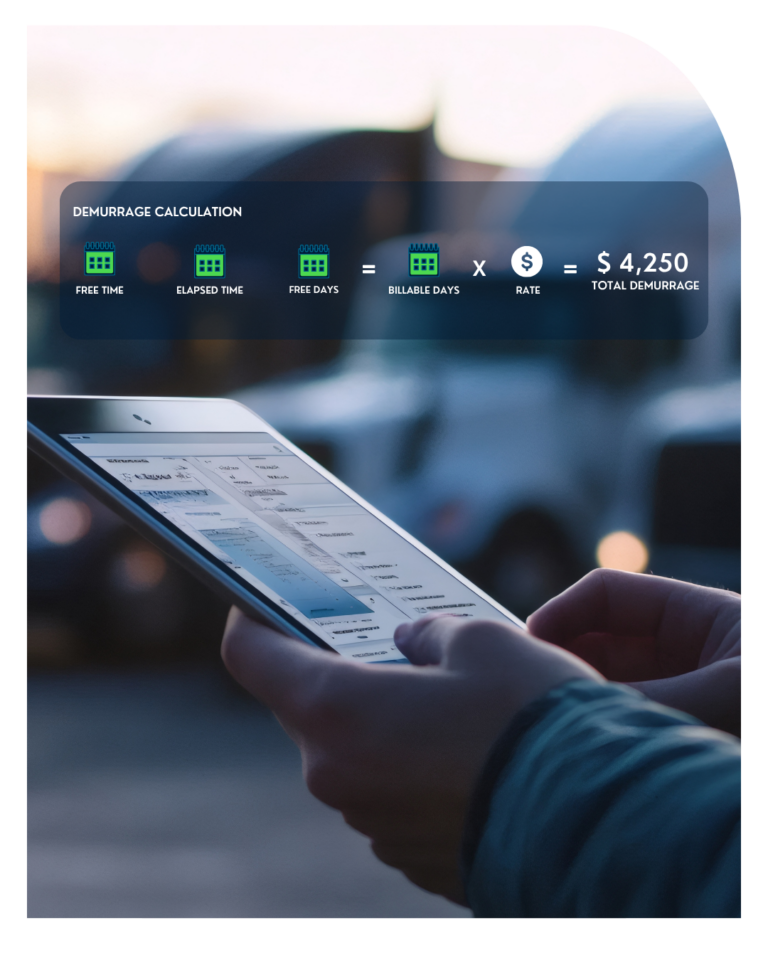
Pre-configured reports and exception alerts surface dwell thresholds, missed events, and upcoming demurrage exposure without manual monitoring.
TMS and YMS timestamps are synchronized to create accurate dwell calculations across PLC, PLA, release, and gate events—providing a single source of truth and defensible reporting.
When rail and yard operations are connected, yard activity can be managed with a consistent, real-time view of assets, movements, and space utilization.

Connected Yard + Rail
Container and shipment data is available before arrival, reducing manual entry and speeding up check-in at the gate with pre-populated workflows.
Real-time event driven coordination
Rail and yard events are continuously synchronized, enabling teams to act based on current container status rather than delayed updates.
Aligned, event-based tracking
All movement and timestamp data is recorded within a shared timeline, improving accuracy for reporting and charge validation.
Continuous container monitoring
Containers remain trackable across every stage, from terminal exit through yard entry; without gaps in system coverage.
Coordinated operations
Rail and yard activities are connected within a single operational flow, improving consistency across planning and execution.
The integration typically pays for itself within the first year. The math is straightforward: calculate your current monthly demurrage spend, multiply it by 10–15% (the average reduction our customers achieve), and compare that to implementation cost. Add in labor hours saved from eliminated manual data entry, at hundreds of containers per day, even modest gate time reduction compounds quickly. Kaleris isn’t the cheapest option; it’s the one that delivers measurable ROI. We’ll do the math with you.
This is a cloud-to-cloud integration. There is no on-premise infrastructure required on your end. We built this integration with deep knowledge of both systems. Your IT team’s role is governance, not maintenance. Implementation complexity is handled on our side.
Yes. This integration was specifically designed for multimodal intermodal environments. The reference customer — a global automotive manufacturer — runs a network that spans manufacturing facilities, import/export terminals, rail, trucking, and distribution centers across North America. The platform manages inbound rail, intermodal ramp events, yard operations, and demurrage tracking as a unified workflow. Whether you operate one intermodal yard or a multi-node network across multiple modes, the integration scales to your complexity.
Gate staff see the impact on day one. Pre-populated container data at check-in eliminates manual entry immediately. Demurrage visibility improves as soon as the first event cycle completes. Dispatch teams gain lead time with their first de-ramp notification. The operational shift is immediate.
Integration risk lives in the seam between systems: and when that seam belongs to two different vendors, accountability disappears. Kaleris owns both Rail TMS and YMS. When something needs to be fixed or optimized, there’s one team responsible. No middleware vendor in the middle. One platform, one support relationship, one roadmap.