

A three‑part blog series
Port calls sit at the intersection of planning, execution, and optimization – yet data exchange across terminals, liners, and vessels remains fragmented at every stage.
In this three‑part series, we explore:
- Why port calls start with assumptions instead of certainty
- Why execution still relies on phone calls despite digital systems
- What it takes to move from coping with disruption to optimizing outcomes
 Follow the series to explore how better cargo data exchange can transform port calls – from planning through execution to optimization.
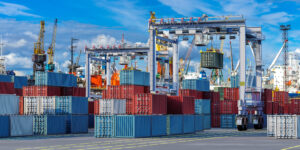

“When the yard changes constantly, how can planning adapt without putting more work on the planner?”
Terminal yards are constantly in flux – container flows shift, vessel schedules change, and density rises and falls throughout the day. Traditional planning approaches ask planners to manually monitor every change and adjust strategies accordingly, adding significant workload to teams already stretched thin. But what if the system could adapt to changing conditions while keeping the planner in control? Discover how intelligent yard planning is shifting the role from managing rules to managing outcomes – reducing manual effort without removing human expertise from the process.
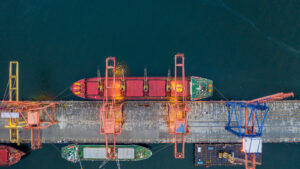
Beyond Cargo Tracking: How General Cargo TOS Is Turning Operational Data Into Business Value
General cargo operations are getting more complex – but your TOS shouldn’t just tell you what happened. It should help you understand what’s happening now, what needs to happen next, and how every move translates into business value. From real-time visibility to AI-assisted planning, the terminal of the future isn’t one where humans disappear, it’s one where technology helps operators make better decisions, faster.

From Message Exchange to Shared Truth : Unlocking Optimization in Cargo Operations – Part 3
The maritime industry doesn’t lack data – it lacks agreement on what’s actually happening. Exchanging information isn’t the same as sharing a common understanding, and today’s systems communicate intent rather than reality. The Kaleris Cargo Data Exchange Hub bridges this gap by connecting shipping lines, vessels, ports, and terminals into a single, synchronized data environment where all parties operate from the same source of truth – enabling true optimization through coordination, not just communication.